
The Importance of Keeping the House, Yard, and Grounds Free of Pet (and Wild Animal) Feces
Let’s talk about something no one loves talking about—but everyone is affected by... Poop!
Scott Carlson
1/24/20262 min read
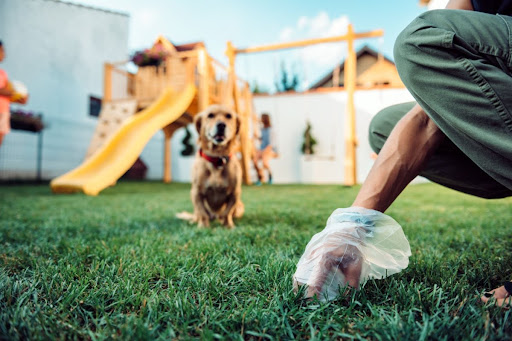
Not just your dog’s. Not just the cat box. I’m talking about pet waste and wild animal feces that quietly accumulate in yards, gardens, walkways, and shared spaces—and then cause far more trouble than most people realize.
This isn’t about being uptight.
It’s about health, safety, respect, and responsibility.
This Is a Health Issue First (Not an Aesthetic One)
Pet and wildlife feces carry bacteria, parasites, and pathogens that don’t politely stay put.
We’re talking about things like:
Giardia
Roundworms
Hookworms
E. coli
Salmonella
These organisms can live in soil for months, sometimes longer—especially in shaded or moist areas. You don’t have to touch poop directly to be exposed. Shoes track it in. Dogs step in it and lick their paws. Kids play in the grass. Garden produce gets contaminated.
Clean ground = safer living. Period!
Dogs Read the Ground With Their Noses
Dogs don’t experience the yard visually the way we do. They experience it olfactorily.
When feces are left behind:
It overstimulates scent environments
Increases marking behavior
Triggers territorial or anxious responses
Can lead to resource guarding or aggression
A poop-filled yard is sensory chaos for a dog. A clean yard creates clarity and calm, which directly supports better behavior.
This matters even more in multi-dog households or shared outdoor spaces.
Wildlife Poop Is Not “Natural Fertilizer”
I hear this one a lot: “It’s just deer/raccoon/coyote poop—it’s natural.”
Natural does not mean harmless. Wild animal feces often carry:
Parasites pets have no immunity to
Diseases transmissible to domestic animals
Zoonotic risks (transferable to humans)
If your yard overlaps with wildlife traffic (many do), routine checks and removal matter just as much as picking up after your own pets.
Respect for Others (Including Pet Sitters)
This one’s direct.
If someone else is caring for your home or animals, a feces-free environment is baseline respect.
No pet sitter should have to:
Dodge landmines to do basic care
Clean up weeks of accumulated waste
Wonder what they’re stepping in at night
A clean yard communicates:
“I value your safety.”
“I care about hygiene.”
“I respect shared space.”
That goes a long way.
Practical Benefits You’ll Notice Immediately
When waste is managed consistently:
Fewer flies and insects
Reduced odor (even in hot weather)
Healthier grass and soil
Lower parasite risk
Better pet behavior
Easier maintenance overall
This is one of those rare cases where small daily action = outsized payoff.
A Simple, Sustainable Standard
You don’t need perfection. You need consistency.
Scoop daily or every other day
Walk the yard weekly to check for wildlife waste
Use gloves and proper disposal
Wash hands (always)
Five minutes now prevents weeks of problems later.
Bottom Line
Keeping your house, yard, and grounds free of pet and wild animal feces isn’t about appearances.
It’s about:
Health
Safety
Behavioral stability
Mutual respect
Responsible stewardship of shared space
Clean ground supports clean living.
Your pets benefit. Your guests benefit. And honestly—you do too.
If you want help creating a simple cleanup routine that fits your lifestyle (or preparing your home for a sitter), I’m always happy to help.
Explore pet sitting tips and client updates here.
CONTACT INFO
775-453-6366
©2026 All rights reserved | PetSittingwtihScott.com